Lab
Memory for business software, even without a chatbot
Short answer
Business software often knows what happened. It may not know why a team made a particular choice. Memory attached to business objects can preserve that context and return it in a screen, a workflow or an assistant, without requiring another conversation.

Operational facts leave a gap
A piece of equipment has had several incidents. The dashboard records them correctly. Yet deciding whether to replace it requires another fact: why did the team previously choose to wait? A recent repair, a temporary constraint or a review condition could change the answer.
This is an illustrative example. It separates two responsibilities. The business application keeps operational facts. Memory keeps human decisions, reasons, conditions and subsequent changes. Adding context does not require copying every operational table into another system.
The distinction also applies to suppliers, products and locations. A sensible general recommendation can still be inappropriate when it overlooks a local decision that remains valid.
Use the object as an anchor
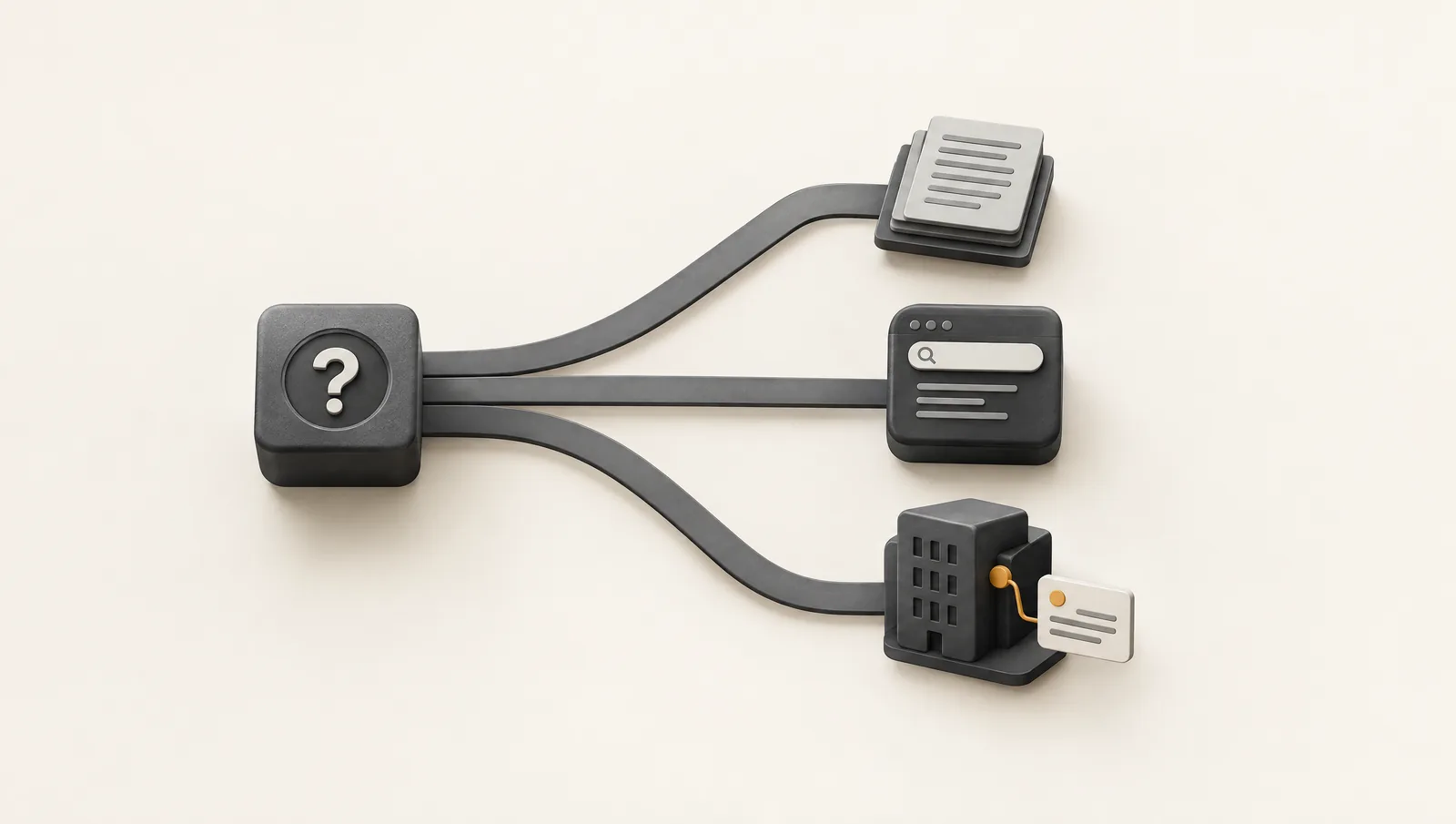
The Embedded contract developed by Nawame can associate a memory with a stable reference in the publisher’s application. When someone opens that object, the application can request the related context within the person’s permitted scope.
Object-based retrieval addresses a practical problem: a new question may contain none of the words used when the original decision was recorded. Searching a collection of notes for “what should we do now?” can miss the relevant explanation. An object reference provides another anchor.
That anchor does not guarantee completeness or accuracy. A decision linked to the wrong object is still misplaced. An explanation that nobody recorded cannot be recovered automatically. The application needs to show missing context and let people correct associations.
Memory does not require a chatbot
A conversational interface is one possible entry point. A “decisions and reasons” panel can show context directly on an equipment page. A workflow can flag an overdue review date. An authorised assistant can use the same memory when someone asks a question.
The contract provides an HTTPS API and an SDK, with an MCP interface for assistants. These interfaces must apply the same permissions. Choosing a different interface does not grant additional access.
The business application therefore retains its main role. Nawame supplies durable context; it does not become the publisher’s conversational model provider. A useful memory feature can exist even when no language model is involved in the screen or workflow displaying it.
Keep statements in their proper category
A probable explanation is different from a confirmed decision. An expired decision is different from a current rule. An AI interpretation should not acquire the authority of a human statement merely because it has been stored.
Qualification, dates and replacement relationships make those distinctions available during retrieval. History explains how a position changed; the current view should avoid presenting an earlier position as still applicable.
Permissions matter just as much. Someone who belongs to several organisations should not receive a combined account that silently mixes them. Object references complement access control; they cannot replace it.
What has actually been established: scope and limits
The generic contract and the Tsuno integration have been tested, including an integration using a fictional publisher. The exercise checks that an application can record and retrieve context through the intended interfaces. It demonstrates a technical capability rather than measuring customer adoption.
The evaluations with and without context provide evidence from synthetic datasets. Everyday value still needs measurement: whether useful context is retrieved, whether decisions become easier to understand, whether recording explanations takes acceptable effort, and whether permissions remain correct over time.
That makes restrained requests for human explanations part of the product problem itself. Memory is useful when it preserves a reason and brings it back at the right moment with its status and source intact.
Related reading: What AI memory should never copy from your system of record and How to build company memory that AI can actually use.